


Understanding Your Orthodontic Insurance
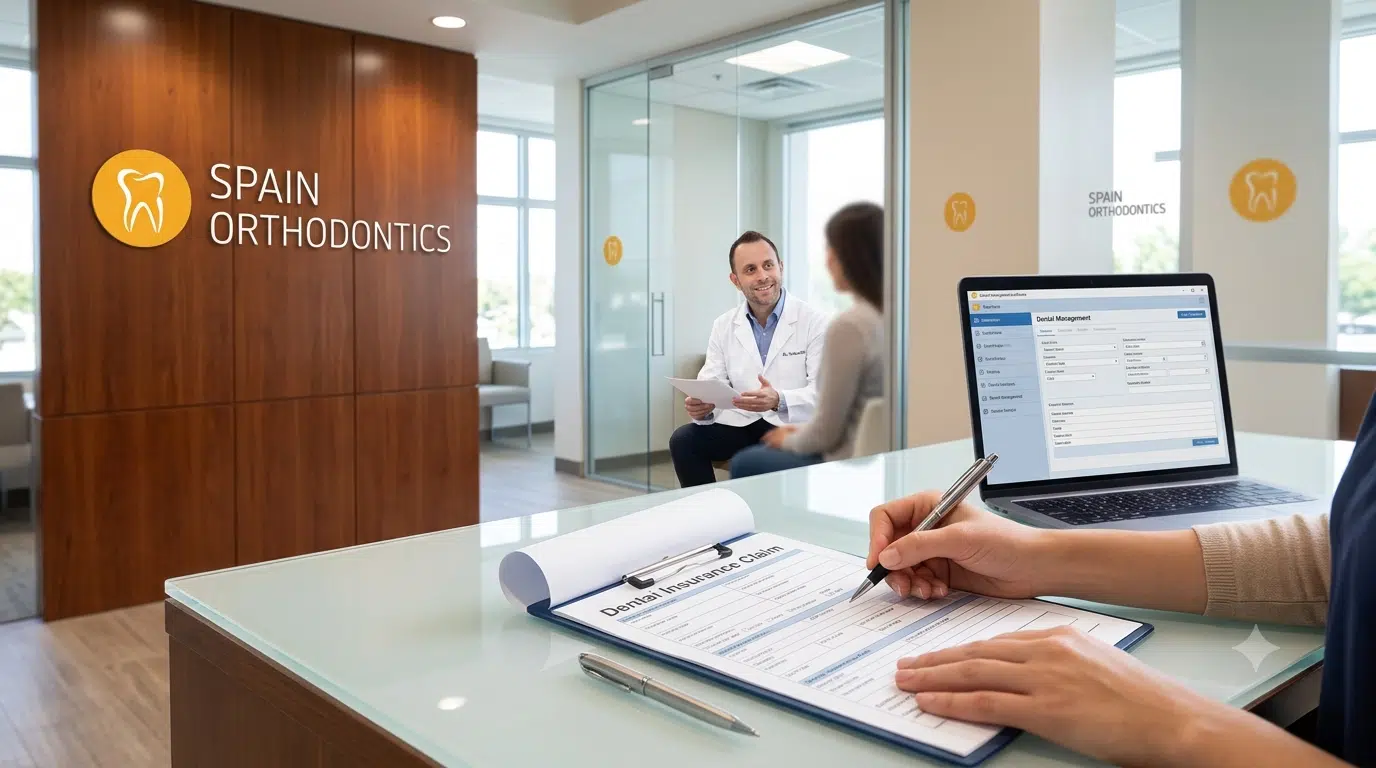
We know insurance can feel confusing, but here’s the good news: you don’t have to figure it out on your own. Once you give us your policy information, Raven and our team take it from there, verifying your benefits, filing claims, and following up with your insurance company so you don’t have to.
You focus on your smile. We’ll handle the paperwork.
We’re In-Network With
- Delta Dental
- Aetna
- United Concordia
- Premera




We work with patients across Shoreline, Lake Forest Park, Edmonds, and Mountlake Terrace, and many local employers offer plans through these providers, including Amazon, Microsoft, Boeing, Costco, T-Mobile, Google, CVS, area school districts, and first responders. If you work for one of these organizations, there’s a good chance we’re already in-network with your plan, but coverage varies by plan tier, so the best way to know for sure is to give us a call or bring in your card at your consultation and we’ll check for you. Also, if you are choosing between different plans during an open enrollment period, we are more than happy to help you weigh different plans to help maximize your orthodontic benefit.
How Orthodontic Benefits Typically Work
Orthodontic coverage works a little differently than regular dental coverage. Regular dental benefits usually reset every year. Orthodontic benefits are usually a one-time lifetime maximum instead.
Here’s what that generally looks like:
- Most plans cover treatment at 50%, up to a lifetime maximum between $1,500 and $2,500.
- Rather than paying that amount all at once, insurance companies typically pay it out in installments over the course of your treatment.
Have two insurance plans? If you or your child have two dental coverage plans with orthodontic benefits, you may be able to coordinate both policies and lower your out-of-pocket cost even further. Ask us about it and we’ll check for you to maximize your benefits.
To see what treatment might cost after insurance, take a look at our Invisalign and Braces Cost page, where you’ll find real numbers along with our payment plan options.
Paying with an HSA or FSA
Here’s some good news a lot of people don’t realize: braces and Invisalign are qualified medical expenses, so you can pay for treatment with pre-tax dollars from a Health Savings Account (HSA) or a Flexible Spending Account (FSA). Because that money goes in before taxes, using it is a little like giving yourself a discount equal to your tax rate. The two accounts work a bit differently, so here’s the quick version.
- An HSA (Health Savings Account) is paired with a high-deductible health plan, and the money in it is truly yours. It rolls over year after year, never expires, and follows you even if you change jobs, so it’s a great option if you’d like to set money aside over time and put it toward treatment when you’re ready.
- An FSA (Flexible Spending Account) is offered through your employer and is usually “use it or lose it” — the funds generally need to be spent within the plan year, though some plans allow a small carryover or a short grace period. The handy part for orthodontics is that you can typically use your full annual FSA amount right away, even early in the year before you’ve finished contributing it, which makes it perfect for covering a down payment. And because those dollars can expire, we’re happy to be flexible with your treatment timing and payment scheduling — for example, splitting payments across two plan years — so you can put as much of your FSA to work as possible and not leave benefits on the table. Just tell us your plan’s deadline and we’ll work around it.
Either way, orthodontic treatment qualifies to use funds from either FSA and HSA, and you can combine those with your insurance benefits and our monthly payment plans. We’re always glad to provide the receipts and documentation you may need for your account, and if you’re not sure what your plan allows, your benefits administrator (or our team) can help you sort it out. Curious what your out-of-pocket cost might look like after all of this? Take a look at our Invisalign and Braces cost page.
PPO vs. HMO Plans
Take a look at your insurance card. It will usually say either PPO or HMO.
- PPO plans give you the flexibility to choose your provider while still getting strong coverage. We accept many PPO plans and are able to file and follow up on your claims for you.
- HMO plans typically restrict you to a specific list of network dentists and coverage for specialist care, like orthodontics, can be unpredictable. Because of this, we don’t participate in HMO plans at this time.
Out-of-Network? Don’t worry! You May Still Have Coverage
Even if we’re not listed as in-network with your specific PPO plan, you may still have a great benefit you can use towards treatment. Many out-of-network PPO plans still offer solid orthodontic coverage and more often than not, you can use those benefits at our office. We’ll handle the paperwork and file the claims, working to get you every dollar of benefit you’re entitled to.
Questions About Your Insurance Plan? We’re here to help!
We know it can be intimidating to try and do this on your own so give us a call or send us a message and we’ll look into your specific benefits together. Rest assured, we will walk you through the ever evolving insurance landscape. Additionally, if you find yourself trying to decide between plans or choosing a plan during open enrollment and need help with understanding benefits, our team is more than happy to help and take a look at your options with you.